The Mary Rose and the Trouble of Letting Things Rest
On 19 July 1545, the Mary Rose capsized in the Solent during an engagement with the French fleet. She went down quickly, in calm conditions, and within sight of Henry VIII, who was watching from Southsea Castle. Hundreds of men were lost.
The sinking was sudden enough to cause confusion at the time, and it has never been fully explained. Contemporary accounts suggest a combination of design changes, heavy guns, open gunports, and a sharp turn into the wind. Whatever the cause, the ship rolled, flooded, and settled on the seabed with much of her structure intact.
What matters for this story is what happened next.
The Mary Rose was not abandoned. Almost immediately, efforts were made to recover her. Henry VIII ordered salvage work, and over the following months divers were sent down using early diving bells and tackle. Guns were raised from the wreck. Ropes were attached. Attempts were made to lift or stabilise the hull.
They failed.
The ship resisted recovery, not through mystery, but through weight, damage, and circumstance. The lower hull lay embedded in silt. Each attempt yielded fragments, never the whole. Eventually, the work stopped. The Mary Rose remained where she had fallen.
Over time, her position was known, then roughly known, then only suspected. Fishermen snagged nets. Timbers were brought up accidentally. The ship slipped between certainty and rumour, never fully lost, never fully present.
When interest returned in the twentieth century, it did so cautiously. The wreck was treated not as a treasure site, but as a grave. Divers described the space as confined and heavy. Objects lay where they had been left in 1545. Boots, bowls, tools. The sense was not of discovery, but of interruption.
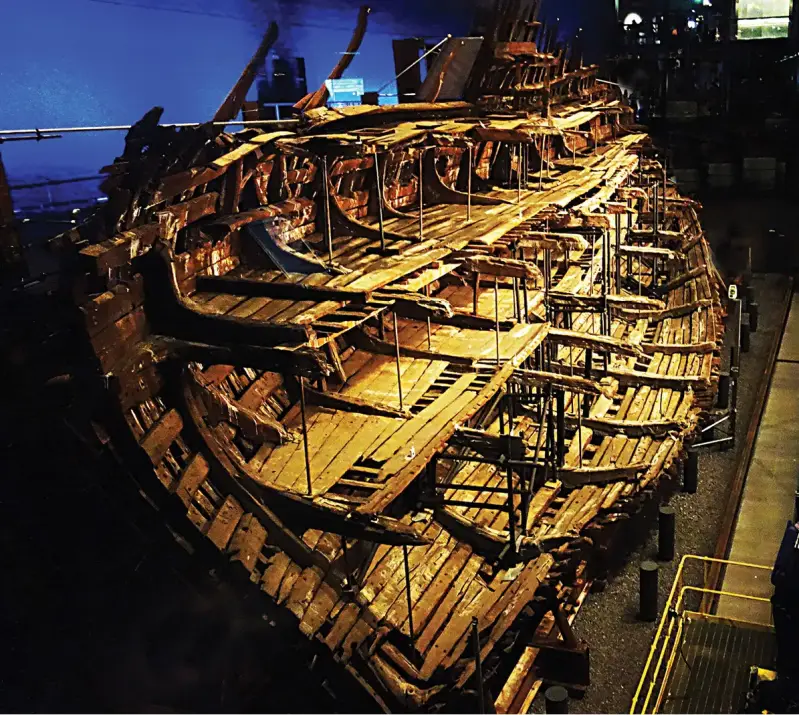
The recovery of the hull in 1982 was framed carefully, almost ceremonially. Language mattered. So did restraint. This was not raised because it had been forgotten, but because it had waited.
There are no reliable ghost stories attached to the Mary Rose. No sightings, no warnings. And yet unease has always hovered around her recovery, beginning with the first failed attempts in the sixteenth century. Some things, it seems, resist being moved not through force, but through consequence.
The Mary Rose belongs at the margins of discovery because she was never hidden. She was known, sought, and left. Her recovery was not a triumph wrested from the past, but a decision made long after the fact, with full awareness of what disturbing her would mean.
Richard Clements
The History Alchemist


Add comment
Comments